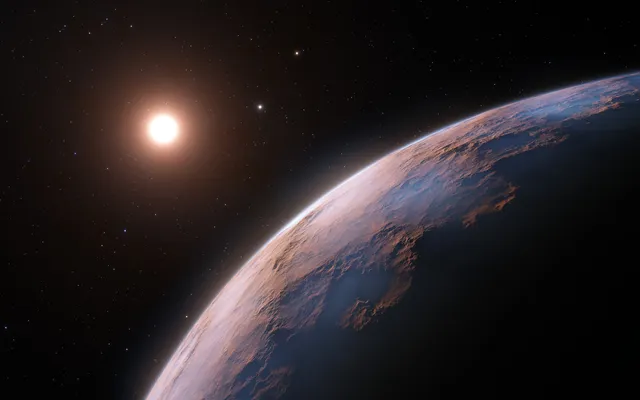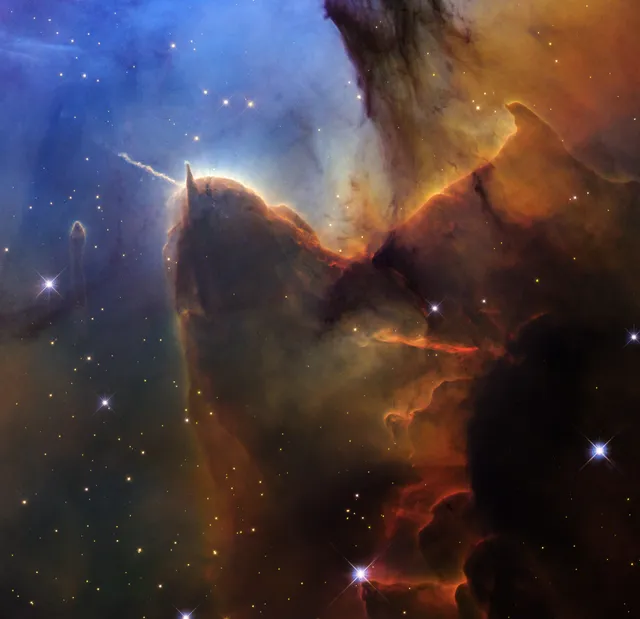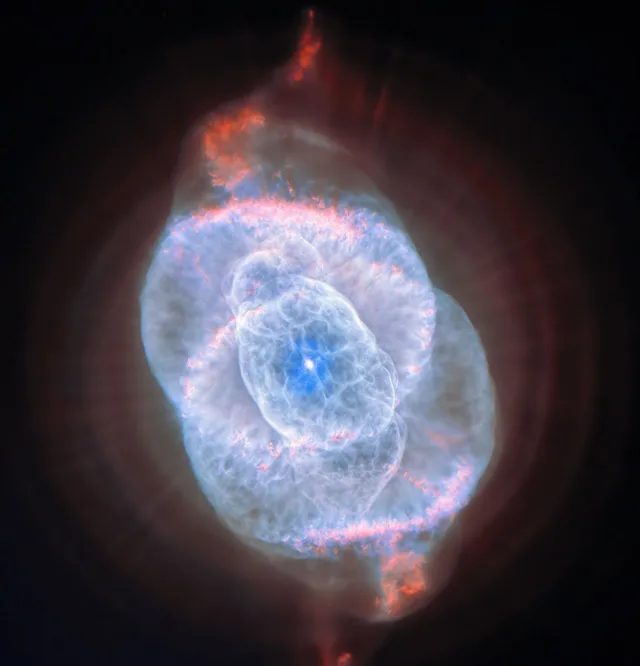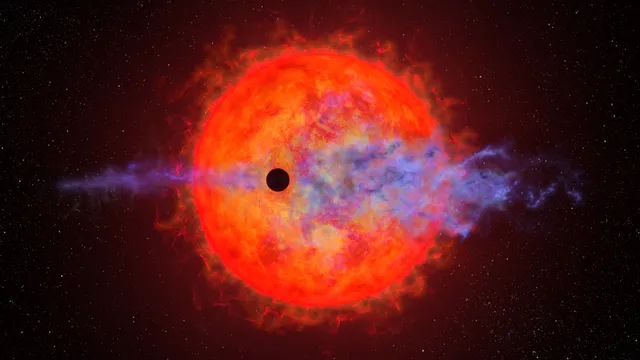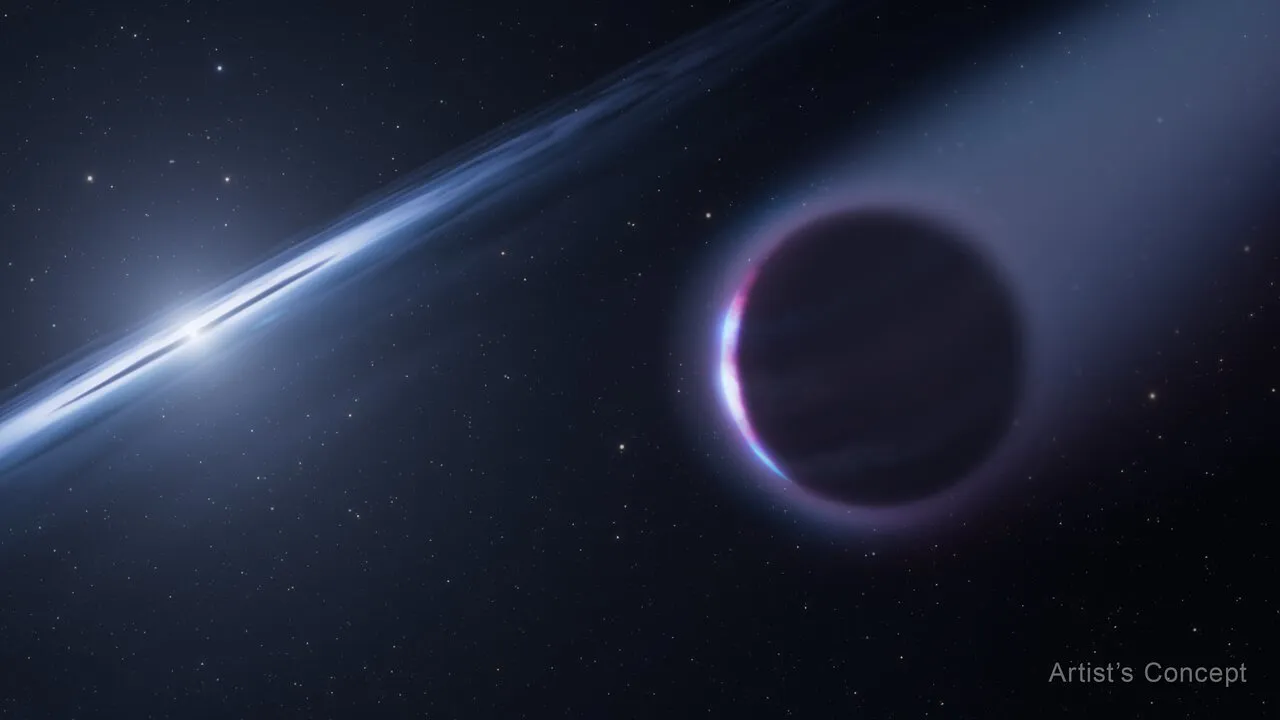
Data from the NASA/ESA Hubble Space Telescope sit in an archive for decades, and they can still yield new results long afterward. This is one such case. For more than a quarter century, unidentified chemical signals from a white dwarf lay unexplained in the archive, until a young astronomer took a closer look.
The result: the data show high amounts of niobium and other unusual chemical abundances. These point to a potential second-generation planet orbiting the white dwarf.
What Hubble's archive contained
A white dwarf is a star that has run out of the fuel that powered its main lifetime. The light from such stars carries information about the chemical makeup of their atmospheres, which lets astronomers analyze them from afar.
In this case, archival Hubble observations contained chemical signatures that had long resisted identification. Careful analysis showed that the white dwarf's atmosphere holds a lot of niobium, a metallic chemical element. Other unusual elemental proportions were found alongside it.
What a second-generation planet is
Most known planets formed alongside their stars, from the gas and dust left over from the star's birth. These can be thought of as first-generation planets.
A second-generation planet arises differently. Its material is related to the star's death rather than its birth. The chemical oddities found here point to exactly that kind of origin.
What's new
Planets have been found around white dwarfs before, though only a handful. What is new is that this object is the first candidate with hallmarks of a planet formed from material related to a star's death.
It is also a good example of the value of archives. The data were collected long ago, but the answer to what they contain only emerged now, thanks to the work of a young researcher.
How solid is the result
The source speaks of a "potential" planet and a "candidate". The planet has not been observed directly. Its presence is inferred from unusual chemical composition. There is no definitive proof yet, and confirmation will require further research.
What it means
If the interpretation holds, stars may look different: after the fuel of their main lifetime runs out, they could enjoy an extended second act in which new planets appear.
The discovery proposes this as a new area of future research. For now it remains a hypothesis, but it already sets a concrete task: look for similar chemical signs in other white dwarfs.