The coronagraph aboard NASA's Nancy Grace Roman Space Telescope has turned on its cameras in space for the first time. It happened on Sept. 22, 2026. The instrument produced a focused image, which confirmed that it works as intended.
The coronagraph was designed and built by NASA's Jet Propulsion Laboratory (JPL) in Southern California. It will demonstrate technologies that block the light of a star, so that planets and dusty disks around nearby stars can be seen next to it.
How the instrument woke up
Turning on the cameras was the last step in a sequence. The instrument "woke up" on Sept. 1. Mid-month, the team checked its digital, electronic and mechanical "limbs", as JPL figuratively calls the instrument's separate systems.
Next, the team had to confirm that the fine-guidance system was holding the coronagraph steady. Without that, a focused image is not possible. Only after the team confirmed this did scientists adjust the focus. That gave the instrument its first, still bleary-eyed, look at space. The image will help scientists fine-tune the instrument's view.
What's new
Until now, the coronagraph had been prepared on Earth. It was assembled at JPL in 2022, for example. Now, for the first time, it has received light from space.
This is not yet a planet search, and not yet an attempt to block starlight. It is a check of the basics: the instrument powered up, the guidance system held it steady, and the optics formed a focused image. Vanessa Bailey, a Roman Coronagraph Instrument scientist at JPL, describes it this way:
This observation confirms that the instrument can produce a focused image. It's a very limited test that kicks off a methodical process of increasingly complex tasks that help us prepare for the instrument's future observations.Vanessa Bailey, Roman Coronagraph Instrument scientist at NASA JPL
Why it matters
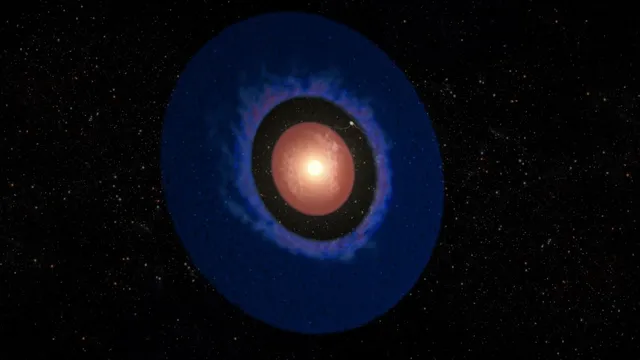
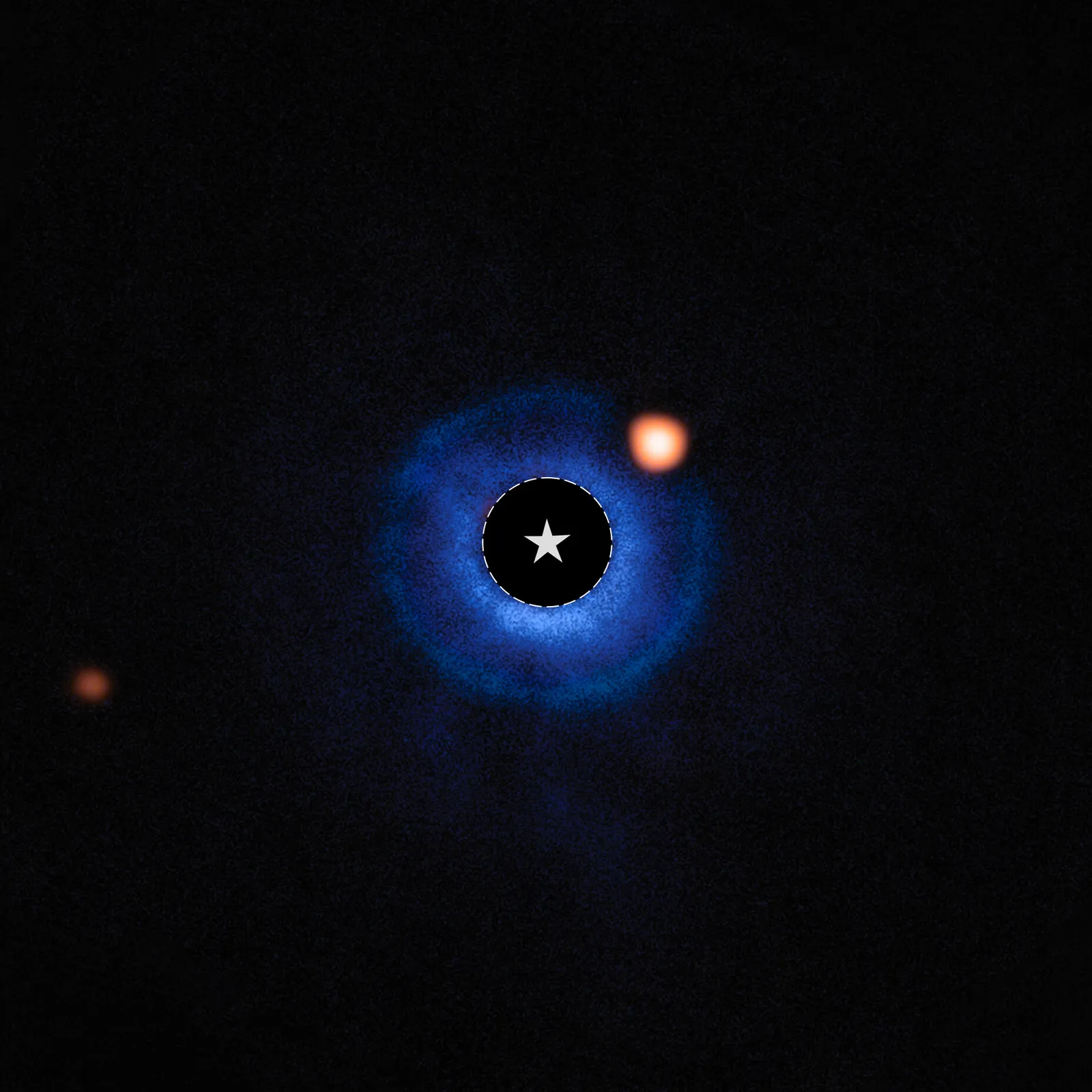
Directly imaging planets around other stars is one of the hardest tasks in modern astronomy. A planet is faint and its star is bright. That is why a coronagraph is needed: it blocks the starlight and leaves the faint surroundings visible.
According to NASA, the Roman coronagraph demonstrates cutting-edge technologies for this task. In other words, it first of all tests an approach that could be used in the future. Each successful stage of checks brings closer the moment when the instrument can work the way its builders intended.
What's next
The team is not rushing. According to Bailey, the first test kicks off a methodical process of increasingly complex tasks. Each of them prepares the instrument for future observations. The source does not specify what exactly these tasks will be or how long they will take.
For now, the main thing is known: Roman's coronagraph is alive, stable and able to focus an image in space.