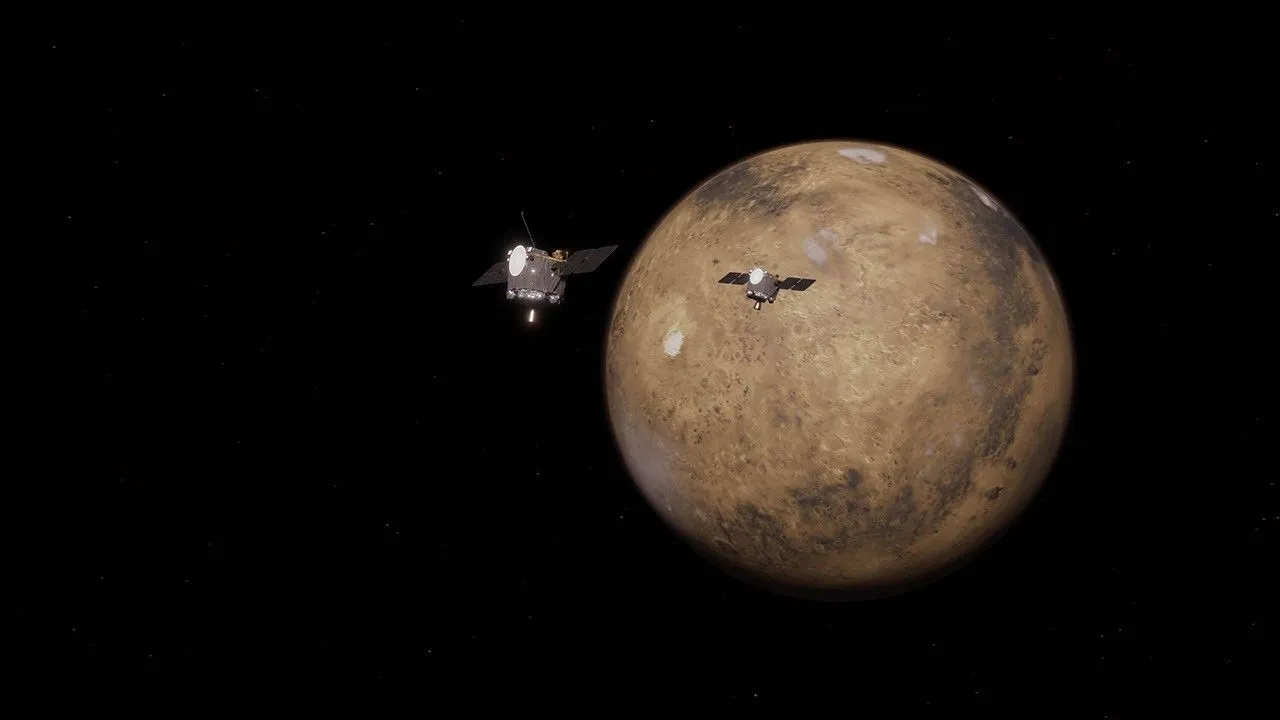
At 6:37 a.m. EDT on March 11, 2026, the Van Allen Probe A spacecraft ceased to exist as an intact object. It re-entered Earth's atmosphere over the eastern Pacific Ocean, closing out a journey that lasted almost 14 years since launch.
The U.S. Space Force confirmed the re-entry occurred at approximately 2 degrees south latitude and 255.3 degrees east longitude. Most of the spacecraft's structure burned up from atmospheric friction, but NASA expected some components to survive and reach the surface. The probability of anyone being harmed was estimated at roughly 1 in 4,200 — the standard accepted threshold for uncontrolled re-entries.
A two-year mission that lasted nearly seven
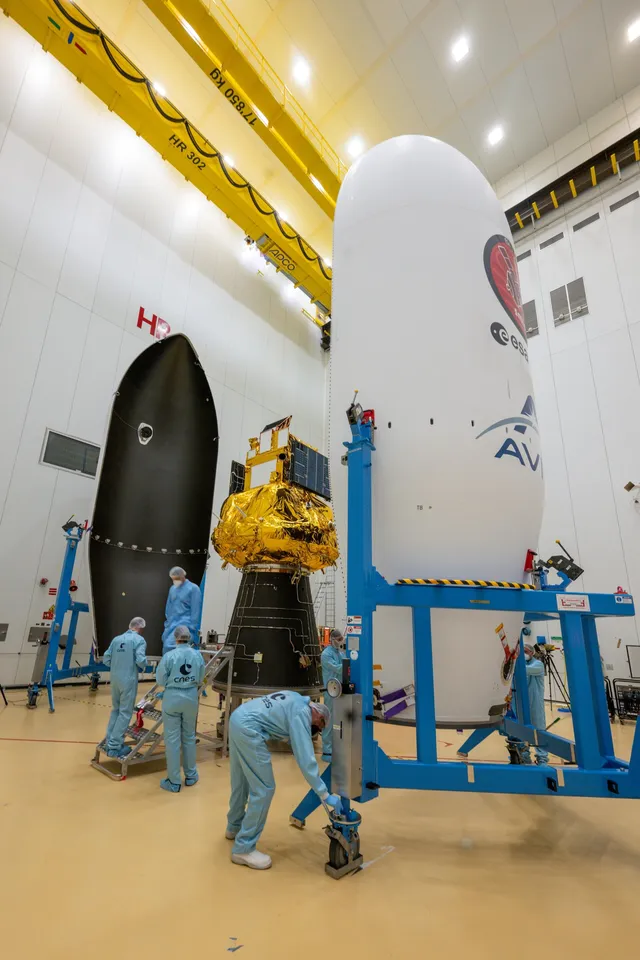
Van Allen Probe A launched on August 30, 2012, alongside its twin, Van Allen Probe B. Engineers originally planned a minimal program — two years of operations inside Earth's radiation belts.
Reality exceeded that plan several times over. The two spacecraft operated together for almost seven years, gathering unprecedented data on Earth's two permanent radiation belts, named for physicist James Van Allen.
The mission ended in 2019 not because of instrument failure, but because the spacecraft ran out of fuel and could no longer orient their solar panels toward the Sun.
The mission was managed and operated by the Johns Hopkins University Applied Physics Laboratory on behalf of NASA.
A third belt that wasn't supposed to exist
Before the mission, Earth's radiation belts were described as two permanent, concentric rings of charged particles held in place by the planet's magnetic field.
Data from the Van Allen Probes showed something different. During intense bursts of solar activity, a third belt temporarily forms between the two permanent ones — and the probes captured direct evidence of it for the first time.
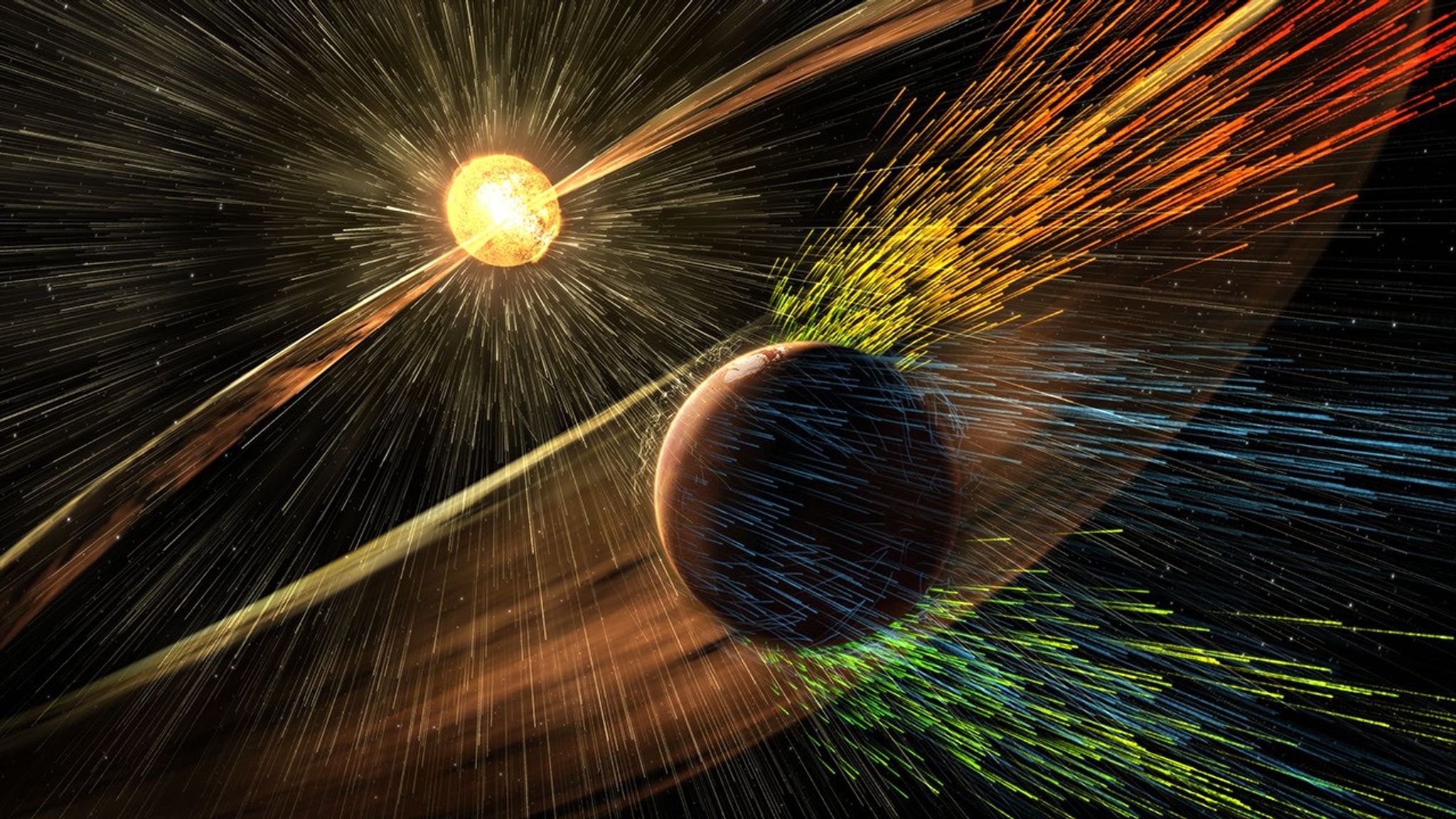
Understanding how the belts gain and lose particles has practical value. These particles damage satellite electronics and threaten astronauts, while the belts themselves shield Earth from cosmic radiation, solar storms, and the constant solar wind.
Archived mission data is still used to forecast space weather — how solar activity affects satellites, navigation, communications, and even power grids on Earth.
Why the 2034 estimate fell apart
After the mission ended in 2019, analysts calculated that the spacecraft would re-enter Earth's atmosphere in 2034. That estimate relied on the atmospheric models available at the time.
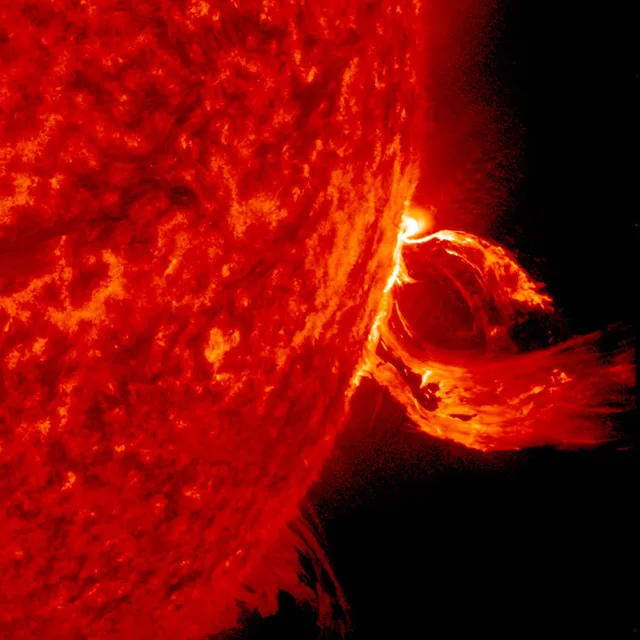
The forecast didn't account for one factor: the activity of the current solar cycle. In 2024, scientists confirmed the Sun had reached that cycle's maximum, with activity levels far exceeding expectations.
The heightened solar activity triggered a series of intense space weather events. These caused Earth's upper atmosphere to expand slightly, increasing drag on the spacecraft.
As a result, the probe fell out of orbit eight years earlier than the original models predicted.
What comes next for Probe B
The twin spacecraft, Van Allen Probe B, remains in orbit. NASA does not expect it to re-enter before 2030.
Data from both probes continues to serve space weather researchers long after their operational lives in orbit ended.